Jelly Candy Font: Sweet and Stylish for Creative Projects
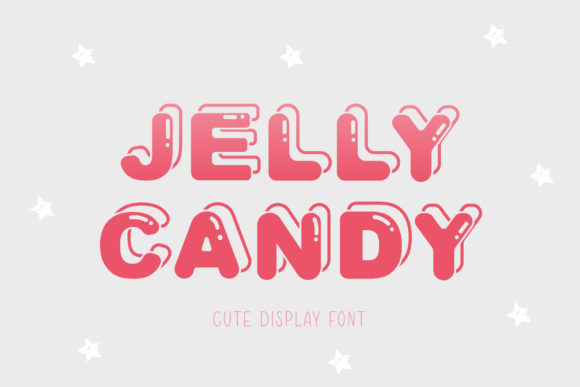
Jelly Candy is more than just a font—it's a playful, chunky lettered display typeface that brings energy and charm to any design. With its soft curves and bold presence, it’s perfect for projects that need a touch of whimsy without sacrificing clarity. Whether you're designing a logo, crafting social media content, or creating marketing materials, Jelly Candy can help your message stand out in a friendly, approachable way.
What Is Jelly Candy?
Jelly Candy is a display font characterized by its rounded, chunky letters and overall cute aesthetic. It's designed to be eye-catching and easy to read at larger sizes, making it ideal for headlines, banners, and other prominent text elements. The font's playful nature makes it especially popular in branding for children’s products, entertainment, and lifestyle industries.
Why Different Audiences Care About Jelly Candy
The appeal of Jelly Candy varies depending on the user's role and goals. For some, it's about creativity; for others, it's about practicality or commercial value. Here’s how different audiences might find Jelly Candy useful:
- Beginners: Jelly Candy offers an accessible entry point into typography. Its simple, clean style allows new designers to focus on layout and composition without getting bogged down by complex letterforms.
- Professionals: Experienced designers may use Jelly Candy to add personality to client projects, especially when targeting younger demographics or creating a fun brand identity.
- Marketers: Marketers looking to create engaging content for social media or promotional campaigns can benefit from Jelly Candy's ability to capture attention quickly.
- Educators: Teachers and educators might use Jelly Candy in classroom materials or presentations aimed at younger students, helping to make learning more visually appealing.
- Entrepreneurs: Small business owners can leverage Jelly Candy to craft unique logos or packaging that stand out in competitive markets.
How Different Users Might Approach Jelly Candy
Each user has their own priorities when selecting a font. Let’s explore how these priorities might shape someone’s experience with Jelly Candy.
Beginners: Learning Through Playfulness
For those just starting out in design, Jelly Candy provides an excellent opportunity to experiment with typography in a low-pressure environment. Its distinct look encourages creativity, while its readability ensures that even novice users can produce professional-looking results. A beginner might use Jelly Candy for a school project, a personal blog header, or a simple poster to practice using fonts effectively.
Experienced Designers: Adding Personality to Projects
Seasoned designers often seek fonts that align with a brand’s voice or the tone of a specific campaign. Jelly Candy’s cheerful and approachable style could be the perfect fit for a children’s book cover, a food-related website, or a product launch targeting young adults. An experienced designer might pair Jelly Candy with a more traditional sans-serif font to balance playfulness with professionalism.
Marketers: Capturing Attention with Visual Appeal
In the fast-paced world of digital marketing, first impressions matter. Jelly Candy’s bold and colorful appearance can help draw the eye in a sea of content. A marketer might use this font in email headers, social media posts, or banner ads to create a sense of excitement and urgency around a promotion.
Entrepreneurs: Building Brand Identity
Startups and small businesses often have limited budgets but big ideas. Jelly Candy offers a cost-effective solution for creating memorable branding. An entrepreneur launching a new line of snacks or toys might choose this font for their logo or packaging to instantly communicate a fun and friendly brand image.
Freelancers and Bloggers: Enhancing Content Presentation
Freelancers and bloggers who rely on visual content to engage readers can use Jelly Candy to make headlines more inviting. It’s especially effective in niches like lifestyle, food, and entertainment, where a lighthearted tone resonates well with audiences.
Practical Uses and Considerations
While Jelly Candy is versatile, it’s important to consider its suitability for different applications. Here are some practical examples:
- Logo Design: Jelly Candy works well for logos that aim to feel friendly and approachable. However, it may not be suitable for logos requiring a more serious or professional tone.
- Print Materials: Due to its chunky style, Jelly Candy is best used in larger sizes on print materials like posters, flyers, and packaging. Smaller text may appear cluttered or hard to read.
- Digital Media: On websites and social media, Jelly Candy can be used sparingly to highlight key messages without overwhelming the reader. Pairing it with a complementary font helps maintain readability.
When choosing Jelly Candy, consider factors like the size of the text, the context of the project, and the audience you're trying to reach. This font is most effective when used strategically, rather than as a primary font for long-form content.
Whether you're a beginner exploring typography or a seasoned professional looking to inject some fun into your next project, Jelly Candy offers a unique and charming option. By understanding how different audiences might use it, you can better determine if this font aligns with your creative goals and needs.